
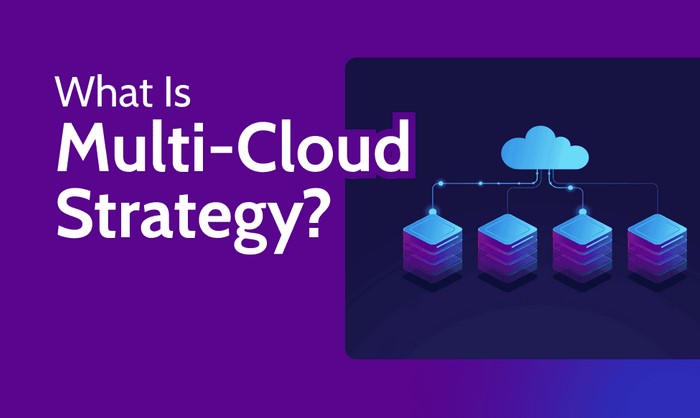
In today’s fast-paced digital landscape, businesses are increasingly turning to multi-cloud strategies to gain a competitive edge in terms of scalability, flexibility, and security. A multi-cloud strategy involves using services from more than one cloud provider, allowing organizations to spread their workloads across various environments to reduce risk and increase performance. With the rapid growth of cloud technologies, businesses must adapt to leverage the benefits of multiple cloud platforms, ensuring they’re not reliant on a single provider for their infrastructure needs. This article explores why a multi-cloud strategy is the smartest approach to scalability and security and how organizations can effectively implement this approach in 2026.
The Advantages of Multi-Cloud Strategy
The increasing adoption of cloud computing services has made it clear that relying on a single cloud provider can limit the potential of a business. While cloud providers such as AWS, Microsoft Azure, and Google Cloud offer powerful capabilities, each has its own strengths and limitations. By leveraging multiple cloud environments, businesses can take advantage of a diverse range of services and tools tailored to their unique needs.
Enhanced Scalability and Flexibility
Scalability is one of the most significant advantages of a multi-cloud strategy. Companies that adopt a multi-cloud approach can scale their infrastructure more efficiently by utilizing the specific strengths of different cloud providers. For instance, one cloud platform might offer superior computing power, while another excels in storage capabilities or artificial intelligence tools. By using multiple providers, businesses can ensure they are always utilizing the most cost-effective and efficient resources available.
Moreover, a multi-cloud strategy allows businesses to scale their services up or down depending on demand, ensuring they only pay for what they use. This level of flexibility is crucial for companies in industries with fluctuating workloads, such as e-commerce or media streaming services. Additionally, businesses can avoid the limitations and downtime associated with a single cloud provider, which is particularly important when considering the impact on customers and revenue during periods of service disruption.
Risk Mitigation and Vendor Lock-In Avoidance
Another key benefit of a multi-cloud strategy is risk mitigation. When businesses rely on a single cloud provider, they risk vendor lock-in, where they become dependent on one platform’s services, pricing models, and terms. This can leave organizations vulnerable to price hikes, service outages, or a shift in the provider’s strategy that may no longer align with the business’s needs.
Using multiple cloud platforms spreads risk across different vendors, reducing the likelihood of a single point of failure. If one provider experiences downtime or a service disruption, the other cloud platforms can pick up the slack, minimizing business interruptions. This distributed approach to risk is particularly valuable for organizations that require continuous uptime and availability, such as financial institutions or online retailers.
Security and Compliance in Multi-Cloud Environments
As businesses embrace multi-cloud strategies, they are also becoming increasingly aware of the importance of cybersecurity and compliance. Managing data and workloads across multiple cloud platforms can be a complex task, but it offers significant security advantages when implemented properly. With a well-structured multi-cloud strategy, businesses can design more robust security measures by taking advantage of the strengths of each platform’s security features.
Strengthening Security Through Redundancy
One of the most prominent security advantages of a multi-cloud strategy is redundancy. Cloud providers invest heavily in security, offering features like encryption, intrusion detection systems, and advanced access control. By using multiple providers, businesses can create an additional layer of security by distributing sensitive data across different environments. This makes it significantly harder for cybercriminals to gain access to all of a company’s data at once.
Furthermore, a multi-cloud environment allows businesses to customize their security strategy. For instance, they may store certain types of sensitive data in one cloud provider with advanced encryption capabilities, while utilizing another provider’s platform for high-speed processing that is more resilient to attacks. This approach not only strengthens security but also ensures that data is compartmentalized, reducing the chances of large-scale breaches.
Streamlining Compliance and Regulatory Requirements
Compliance with industry regulations and data protection laws is another key consideration in multi-cloud environments. Regulations such as the General Data Protection Regulation (GDPR) and the Health Insurance Portability and Accountability Act (HIPAA) require businesses to handle data in specific ways, particularly sensitive personal or financial information. A multi-cloud strategy can help companies meet these regulations by enabling them to choose cloud providers that specialize in specific compliance requirements.
For example, businesses in the healthcare sector may use a provider that specializes in HIPAA-compliant services for storing medical records while relying on a different provider for processing and analytics. This segmentation of services ensures that each part of the business is operating in compliance with relevant regulations, thereby mitigating legal and financial risks.
Best Practices for Implementing a Multi-Cloud Strategy
While the benefits of a multi-cloud strategy are clear, businesses must be careful when implementing such a strategy to ensure its success. Adopting the wrong approach can lead to increased complexity, inefficiencies, and unnecessary costs. Here are some best practices for successfully deploying a multi-cloud strategy.
1. Establish Clear Objectives and Needs
Before diving into a multi-cloud approach, businesses should first assess their goals and determine what they hope to achieve. Are they looking to increase scalability, improve security, reduce costs, or avoid vendor lock-in? Understanding these objectives will help determine which cloud providers to use and how to structure the multi-cloud environment effectively.
2. Focus on Interoperability
A multi-cloud environment requires seamless integration and interoperability between different cloud providers. Organizations should invest in tools and platforms that can manage workloads across various clouds without causing disruptions. This may involve using a cloud management platform or deploying hybrid cloud services that facilitate the movement of data and applications between clouds.
3. Implement Robust Security Measures
Security should be a top priority when managing a multi-cloud environment. Businesses must ensure that they have consistent security policies across all cloud platforms, including identity and access management, encryption, and threat monitoring. Automation tools can help detect vulnerabilities and streamline security processes, reducing the risk of human error and ensuring compliance.
4. Monitor and Optimize Performance
Monitoring the performance of a multi-cloud environment is essential to ensure that resources are being used efficiently. By regularly assessing workloads, businesses can identify areas for improvement and optimize their usage of different cloud services. This helps reduce costs while maintaining high performance and availability.
In conclusion, adopting a multi-cloud strategy is an intelligent and forward-thinking approach to enhancing scalability, security, and risk management. As businesses continue to grow and evolve, the need for flexibility and robustness in their cloud infrastructure will only increase. By embracing a multi-cloud approach, organizations can optimize their resources, improve security, and stay competitive in an ever-changing digital landscape. As cloud technologies continue to advance, those who adopt a multi-cloud strategy will be better positioned to capitalize on new opportunities while mitigating potential risks.