Laptop Cooling Pads: Must-Have Accessories for Gamers

Source:https://assets-prd.ignimgs.com

It’s 11:00 PM, you’re in the final circle of a high-stakes battle royale, and suddenly, your frame rate drops from a smooth 144 FPS to a stuttering slideshow. You touch the area just above your keyboard, and it’s hot enough to fry an egg. That smell? It’s not victory—it’s the smell of your high-end silicon gasping for air.

I’ve spent over a decade in the tech trenches, and I can tell you that heat is the “silent killer” of hardware. I remember a specific project where we were testing mobile diagnostic workstations in a poorly ventilated clinic. We saw a 30% drop in processing speed simply because the internal fans couldn’t keep up with the ambient temperature. It’s a phenomenon called Thermal Throttling, and if you’re a gamer, it is your greatest enemy.

In 2026, laptops are more powerful than ever, but physics hasn’t changed: more power equals more heat. This is where laptop cooling pads transition from “optional extras” to “essential life support” for your rig.


1. The Science of the “Stutter”: Why Your Laptop Slows Down

To understand why you need a cooling pad, you have to understand what’s happening inside that sleek chassis. Modern gaming laptops are engineering marvels, packing desktop-grade GPUs into an inch of space.

The Analogy: Imagine trying to run a marathon while breathing through a narrow straw. You can do it for a while, but eventually, your body will force you to slow down to keep your heart from exploding. That “slowing down” is exactly what your CPU and GPU do when they hit 90°C. They lower their clock speeds to stay alive, and your game performance tanks.

Laptop cooling pads act like a massive industrial fan aimed at that runner, providing the extra oxygen (airflow) needed to keep the pace at 100%.


2. Active vs. Passive: Choosing the Right Laptop Cooling Pads

When I talk to gamers, they often ask if a simple stand is enough. The answer depends on your hardware’s “thirst” for air.

Passive Cooling Stands

These are essentially ergonomic lifts. They don’t have fans; they simply create a gap between your laptop and the desk.

  • Best For: Ultrabooks or low-end gaming laptops that don’t have bottom intake vents.

  • The Benefit: It prevents “heat soak” from the desk surface.

Active Cooling Pads

These are the heavy hitters. They feature built-in fans—sometimes up to six—that physically push air into your laptop’s intake or pull heat away from the chassis.

  • The Edge: They can lower internal temperatures by anywhere from 5°C to 15°C. In the world of overclocking, that is the difference between a stable game and a blue screen of death.


3. Technical Deep Dive: Airflow, RPM, and Static Pressure

If you want to choose the best laptop cooling pads, you need to look past the RGB lights and look at the technical specs. In 2026, we focus on three key metrics:

  • CFM (Cubic Feet per Minute): This measures the volume of air the fans move. A higher CFM is generally better, but only if the air is directed where your laptop needs it.

  • RPM (Rotations Per Minute): Faster fans move more air but create more noise. I always look for pads with Adjustable Fan Speed so you can crank it up during Cyberpunk 2077 and dial it down for Netflix.

  • Static Pressure: This is crucial for laptops with restrictive bottom grilles. You need fans that can “push” air through small holes effectively.


4. The Hidden Benefit: Ergonomics and Longevity

In my HealthTech background, I’m constantly looking at how technology affects the human body. Gaming for six hours with your neck craned downward is a recipe for chronic strain.

Most laptop cooling pads double as ergonomic stands. By raising the screen to eye level, you aren’t just saving your GPU; you’re saving your cervical spine.

  • Longevity: Heat doesn’t just slow down your game today; it degrades the solder joints and thermal paste over time. A cool laptop lasts 2-3 years longer than one that constantly runs at its thermal limit.


5. Expert Advice: Don’t Make These Common Mistakes

After testing dozens of these units, I’ve seen where most beginners go wrong.

💡 Pro Tip: Check Your Intake Vents

Before buying a pad, look at the bottom of your laptop. If your intake vents are on the sides and the bottom is solid plastic, a high-CFM cooling pad won’t do much for internal temps. You’d be better off with a vacuum-style cooler that attaches to the side exhaust. Match the fan placement of the pad to the vent placement of your laptop!

⚠️ The “Dust Vacuum” Effect

Cooling pads are incredibly efficient at pushing air—and dust—into your machine. If you use a cooling pad, you must commit to cleaning your laptop’s internal fans with compressed air twice as often. Otherwise, you’re just building a dust-insulated oven inside your chassis.


6. What to Look for in 2026: The Modern Checklist

The market is flooded with cheap plastic. If you want a pad that lasts as long as your laptop, check these boxes:

  1. Metal Mesh Surface: Plastic holds heat; aluminum dissipates it. A metal top plate acts as a giant heat sink.

  2. USB Pass-through: Gaming laptops are notoriously short on ports. A good pad should give you back the USB port it takes to power itself.

  3. Acoustic Profile: Look for “Fluid Dynamic Bearings.” They are much quieter and last significantly longer than cheap sleeve bearings.

  4. Size Compatibility: Ensure the “stoppers” at the bottom of the pad are tall enough to hold your specific laptop model without slipping.


7. The 2026 Comparison: Top Styles of Cooling Pads

Type Best For Noise Level Cooling Impact
Large Single Fan Quiet environments / General use Low Moderate
Multi-Fan (4-6) High-end Gaming / Overclocking Medium-High High
Vacuum Cooler Laptops with side exhausts only High Very High
Liquid-Cooled Pads Extreme enthusiasts / Workstations Silent Maximum

Conclusion: Investing in Your Digital Future

A laptop cooling pad isn’t just a peripheral; it’s an insurance policy. For a fraction of the cost of your laptop, you are buying consistent performance, better ergonomics, and a longer lifespan for your hardware.

I’ve seen too many gamers spend $3,000 on a laptop only to let it throttle its own power because they wouldn’t spend $50 on airflow. Don’t let your hardware choke. Give it the air it needs to perform.

How hot does your laptop get during your favorite game? Have you noticed a performance drop after an hour of play? Let’s talk about your thermal stats in the comments below—I might be able to help you find the perfect cooling setup!

Rugged Laptops: Built for Durability and Performance

Source:https://cdn.mos.cms.futurecdn.net

Five years ago, I was standing in the middle of a humid, remote field clinic during a monsoon in Southeast Asia. I was trying to sync patient records when my high-end, sleek ultrabook met its demise. A single drop from a waist-high table onto a concrete floor—combined with a bit of wind-blown rain—turned a $2,000 piece of technology into an expensive paperweight. In that moment, with no IT support for miles, I realized that for professionals in the field, “thin and light” is a liability, not a feature.

Since then, I’ve swapped my fragile gear for rugged laptops. These aren’t just computers with thick cases; they are feats of engineering designed to survive environments that would kill a standard laptop in seconds. Whether you’re a field engineer, a first responder, or a digital nomad who actually goes off the grid, understanding what makes these machines tick is essential.

In 2026, the gap between “tough” and “fast” has finally closed. You no longer have to choose between a computer that can survive a fall and one that can actually run modern software.


1. What Exactly is a Rugged Laptop? (The Tank Analogy)

To the uninitiated, a rugged laptop looks like something out of a 90s action movie. But there is a method to the bulk.

The Analogy: Think of a standard laptop like a sports car. It’s fast, beautiful, and aerodynamic, but hit one deep pothole or drive it through a sandstorm, and it’s headed for the scrap heap. Rugged laptops are the armored 4×4 off-roaders of the computing world. They might not be the thinnest at the party, but they will get you through a swamp, a desert, or a construction site without breaking a sweat.

These devices are designed from the inside out to handle mechanical shock, vibration, extreme temperatures, and moisture.


2. Deciphering the Specs: MIL-STD and IP Ratings

When you start shopping for rugged laptops, you’ll be hit with a wall of acronyms. From my experience managing tech deployments in harsh environments, these are the only two you really need to master.

MIL-STD-810H: The Military Standard

This is a US Military certificate that subjects the laptop to a “chamber of horrors.” We’re talking about altitude tests, high/low temperature shocks, salt fog, and repeated drops onto plywood over concrete.

  • Expert Insight: Don’t just look for the label. Check which tests they passed. A laptop might be “MIL-STD” for vibration but not for sand infiltration. Always read the fine print.

IP Ratings: The Dust and Water Shield

The Ingress Protection (IP) rating tells you how sealed the unit is. It usually looks like “IP65.”

  • The first digit (6): Refers to solids (dust). A ‘6’ means it is totally dust-tight.

  • The second digit (5): Refers to liquids. A ‘5’ means it can handle water jets from any direction.

  • In 2026: Most top-tier rugged devices are hitting IP66 or even IP67 (temporary immersion in water), which is a lifesaver for maritime or heavy-rain applications.


3. Beyond the Shell: The Tech Inside Rugged Laptops

It’s a common misconception that rugged means slow. In the past, the thick insulation caused heat problems, forcing manufacturers to use weak processors. Today, the thermal management in rugged laptops is actually superior to many consumer laptops.

Sunlight-Readable Displays

Have you ever tried to use your phone at the beach? You can’t see a thing. Rugged devices use High-Nits displays (often 1,000 to 1,500 nits). For comparison, your average laptop is around 300 nits. This ensures that even under the high-noon sun in a desert, the screen is as clear as a printed page.

Glove-Touch and Rain-Sensing Screens

In my HealthTech work, I’ve seen medics frustrated by touchscreens that won’t work with surgical gloves or get “ghost touches” from raindrops. Modern rugged screens use capacitive touch controllers specifically tuned to ignore water droplets while recognizing a gloved hand or a stylus.

Hot-Swappable Batteries

This is a feature I desperately wish consumer laptops had. Rugged units often feature two battery bays. You can pull a dead battery out and click a fresh one in without turning the computer off. This allows for 24/7 operation in the field without ever hitting a “shutting down” screen.


4. The Leading Players in 2026

If you are looking to invest, three brands currently dominate the market with distinct philosophies:

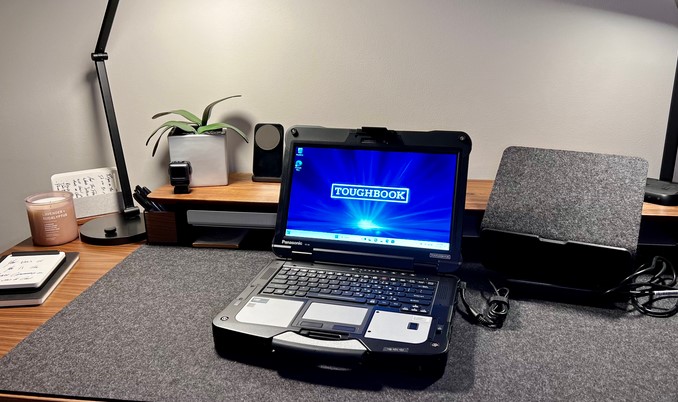
  • Panasonic TOUGHBOOK: The gold standard. They’ve been doing this longer than anyone. Their 2026 lineup is incredibly modular—you can swap out the keyboard, the ports, or the drive in seconds without a screwdriver.

  • Dell Latitude Rugged: These are great for businesses already in the Dell ecosystem. They look a bit more “civilized” but still pass rigorous MIL-STD testing.

  • Getac: Often the innovators in weight reduction. They offer some of the best “Semi-Rugged” options that balance portability with extreme durability.


5. Expert Advice: Choosing Between Fully, Semi, and Ultra Rugged

Not everyone needs a laptop they can throw off a roof. Choosing the wrong level of ruggedness is the fastest way to overspend.

💡 Pro Tip: Match the Gear to the Environment

  • Semi-Rugged: Perfect for vehicle-mounted use or “protected” outdoor work. It handles spills and light drops.

  • Fully-Rugged: This is for the “boots on the ground” workers. If it’s going to be rained on or dropped on gravel daily, go Fully-Rugged.

  • Ultra-Rugged: Specialized niche gear. Usually heavy and expensive, meant for extreme industrial or military combat zones.

⚠️ The “Weight” Factor

A fully rugged laptop can weigh 2x to 3x more than a MacBook Pro. If your job involves hiking 10 miles a day with a pack, that extra 4 lbs feels like 40 lbs by noon. Always check the carrying handle ergonomics before buying.


6. Maintenance and Longevity: Why They Are Cheaper in the Long Run

A rugged laptop costs significantly more upfront—often $3,000 to $5,000. However, the Total Cost of Ownership (TCO) is usually lower.

While a standard laptop has a failure rate of about 10-15% per year in field conditions, rugged laptops sit at less than 2-3%. You aren’t just paying for the plastic; you’re paying for the lack of downtime. In my 10+ years in tech, I’ve seen more money lost to “waiting for a replacement laptop” than to the actual cost of the hardware itself.


7. Connectivity in the Wild: 5G and Beyond

In 2026, a laptop without a connection is just a calculator. Most rugged laptops now come with:

  1. Dedicated GPS: Not just the “WiFi-based” location, but actual satellite-linked GPS for mapping in areas with no cell service.

  2. Private 5G/CBRS: The ability to connect to secure, private industrial networks.

  3. Pass-through Antennae: If you mount the laptop in a truck, you can plug it into an external antenna on the roof to get a signal in “dead zones.”


Conclusion: Is Your Work Ready for Rugged?

The era of disposable technology is ending for professionals. If your “office” has dust, vibration, rain, or hard floors, a consumer-grade laptop is a ticking time bomb. Rugged laptops provide the peace of mind that your data—and your productivity—will survive the day, no matter what the environment throws at you.

We’ve moved past the point where “durable” means “clunky and slow.” Today’s rugged machines are powerhouses that happen to be wearing armor.

What’s the toughest environment you’ve ever had to work in? Have you ever had a “tech tragedy” due to a drop or a spill? Let me know in the comments—I’d love to hear your field stories!

Best Laptops for Business Professionals in 2026

Source:https://cdn.mos.cms.futurecdn.net

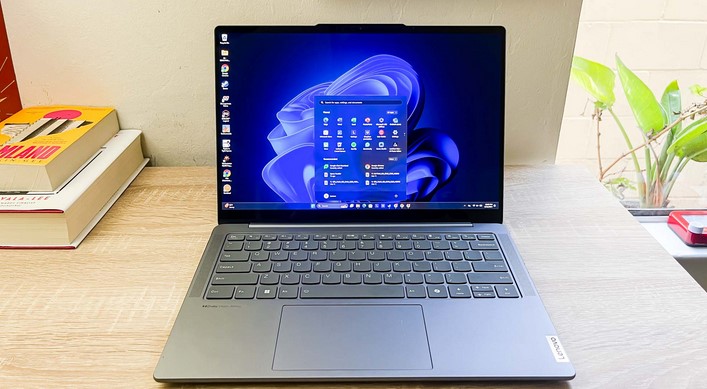
As the world continues to evolve at a rapid pace, business professionals are facing new demands in terms of performance, portability, and reliability when it comes to their laptops. In 2026, selecting the right laptop is more crucial than ever, especially when it comes to balancing work-related tasks, meeting deadlines, and staying productive on the go. Business laptops have become powerhouses, equipped with the latest technology, ensuring that professionals can handle even the most demanding tasks with ease. In this article, we will explore the best laptops for business in 2026, keeping in mind key aspects such as performance, design, battery life, and security features.

1. Performance: Power That Keeps You Going

Business professionals require laptops that offer high performance for multitasking, running resource-intensive software, and staying productive throughout the day. In 2026, laptops come equipped with the latest processors, enhanced RAM capacities, and solid-state drives (SSDs) that ensure quick loading times and seamless workflow.

a. Intel vs. AMD Processors

One of the most important aspects of performance is the processor. Intel’s 13th Gen Core i9 and the new AMD Ryzen 9 series processors are likely to dominate the market in 2026. These processors deliver high clock speeds, impressive core counts, and great thermal efficiency, which allows for extended hours of use without throttling. Business professionals working on data analysis, programming, or other high-performance tasks will benefit significantly from these processors.

b. Graphics and RAM

For professionals in fields such as design, video editing, or 3D modeling, a dedicated GPU will be a key requirement. Laptops in 2026 are equipped with powerful GPUs like the Nvidia GeForce RTX 4060 or the AMD Radeon RX 7000 series, offering the necessary graphics support. In terms of RAM, 16GB is the minimum, with 32GB or even 64GB being ideal for more demanding tasks.

2. Portability and Design: Functionality Meets Aesthetics

Business laptops are often on the move, whether you’re traveling for meetings, attending conferences, or working from a remote location. In 2026, sleek designs are not just about looks but also functionality. The lightweight, ultra-thin design of the modern business laptop makes it easy to carry around while still packing all the power you need.

a. Lightweight and Compact

The trend toward lightweight laptops is likely to continue in 2026. Most high-end business laptops will weigh around 2.5 pounds or less. This ensures that professionals can easily slip their laptops into briefcases, backpacks, or even carry them under their arms. However, don’t let the lightweight design fool you. These laptops will still have enough power to handle all kinds of business needs.

b. Premium Build Quality

In terms of design, business laptops are expected to have premium materials such as aluminum or magnesium alloy. These materials not only provide a sophisticated aesthetic but also add to the laptop’s durability. Scratch-resistant and robust, these devices will survive long hours of use and travel without showing signs of wear and tear.

3. Security and Battery Life: Essential Features for Professionals

In the digital age, security is of utmost importance. With sensitive data being handled on a daily basis, business laptops in 2026 will feature state-of-the-art security features that ensure information is safe. Additionally, long-lasting battery life will be a top priority for professionals who work remotely or travel often.

a. Advanced Security Features

By 2026, laptops will likely come equipped with advanced biometric authentication systems, such as facial recognition, fingerprint scanners, and even retinal scanning for enhanced security. These technologies will ensure that only authorized users can access critical files and systems, making business laptops more secure than ever before.

b. Long Battery Life for Non-Stop Productivity

Battery life remains one of the most important factors for business professionals. Modern business laptops are expected to feature batteries that can last up to 12 to 16 hours on a single charge. This is crucial for professionals who need to work during long flights, at conferences, or in remote locations where charging outlets may be scarce.

As we look forward to 2026, the best laptops for business will continue to offer a perfect balance of performance, portability, design, and security. Choosing the right laptop is essential for professionals who need a device that can handle demanding workloads, long hours, and frequent travel. With advanced processors, lightweight designs, and robust security features, the laptops of 2026 will empower business professionals to stay productive and efficient in an ever-changing business environment. When it comes to choosing the best laptops for business, make sure you prioritize the features that matter most for your specific needs to ensure you remain ahead of the competition.

Top Features to Look for in Laptops for Stock Trading Success

Source:https://images.unsplash.com

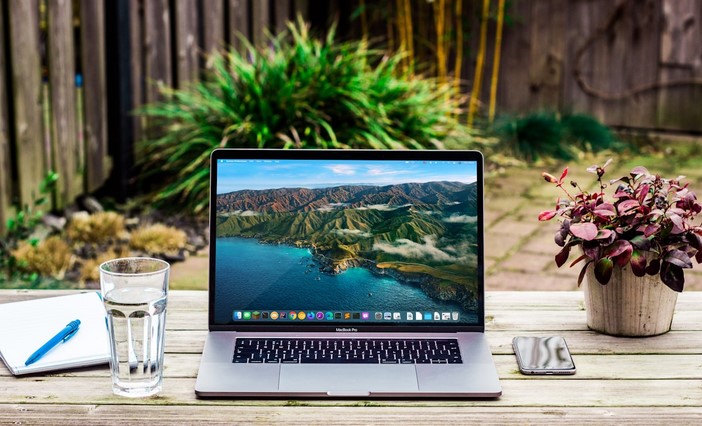
In the fast-paced world of stock trading, having the right tools is essential for success. One of the most critical tools for a trader is their laptop. Laptops for stock trading must not only be powerful and reliable, but also tailored to handle the unique demands of trading platforms, real-time data feeds, and complex analysis tools. When selecting a laptop for stock trading, it’s important to focus on features that optimize performance, multitasking, and connectivity. This article highlights the top features you should look for in laptops for stock trading to help you make informed decisions and improve your trading experience.

1. Processing Power: Speed and Efficiency Matter

When trading stocks, you need a laptop that can handle complex algorithms, real-time market data, and multiple trading platforms simultaneously. A fast processor is vital for ensuring that your system runs smoothly under heavy loads, minimizing lag time when executing trades or performing in-depth technical analysis.

Choosing the Right Processor

For stock trading, Intel’s i7 or i9 processors, or their AMD equivalents like the Ryzen 7 or Ryzen 9, are ideal. These processors provide excellent multitasking capabilities and ensure that you can run several applications without performance degradation. The more cores a processor has, the better the laptop will perform when handling multiple applications, such as trading software, financial news updates, charting tools, and spreadsheets simultaneously.

A laptop with an older or low-performance processor may struggle to keep up with the demands of real-time market data, leading to delays that could cost you valuable trading opportunities. To ensure a seamless trading experience, opt for the latest generation of processors that offer high clock speeds and multi-core support.

2. RAM: Multitasking and Speed

Stock traders often need to have multiple programs open at once: trading platforms, charting tools, spreadsheets, news feeds, and more. To run these applications smoothly, your laptop must have sufficient Random Access Memory (RAM). The more RAM your laptop has, the better it can handle heavy multitasking.

Recommended RAM Size for Trading Laptops

For laptops for stock trading, a minimum of 16GB of RAM is recommended. While 8GB may suffice for light traders or those who don’t run many programs at once, 16GB or more will provide a smooth experience when running multiple applications concurrently. In fact, some professional traders may even require 32GB of RAM, especially if they use multiple monitors or engage in advanced charting and technical analysis.

Upgrading RAM is often one of the most cost-effective ways to improve your laptop’s performance, so always consider this when choosing a model for stock trading.

3. Display Quality: Clarity and Size for Real-Time Monitoring

The display on your laptop plays a significant role in how effectively you can monitor market trends and manage multiple stocks and assets. A high-quality, large screen can greatly improve your ability to analyze charts, news, and stock performance in real-time.

Screen Size and Resolution

For stock traders, a screen size between 15 and 17 inches is optimal, as it provides ample space for multiple windows and data feeds. However, for those who require even more screen real estate, using an external monitor alongside your laptop can significantly enhance productivity.

As for screen resolution, Full HD (1920×1080) is a minimum, but a 4K display is ideal for traders who need sharp, high-resolution images for their charts and trading platforms. A higher resolution provides greater detail and allows you to see more information on the screen at once, which can be a huge advantage when monitoring multiple stock tickers, technical charts, and financial data simultaneously.

Additionally, look for laptops with IPS (In-Plane Switching) displays for better color accuracy and wider viewing angles. This will ensure that the display remains clear and sharp from various angles, which is essential if you’re often moving between locations or working in a collaborative environment.

4. Battery Life: Stay Powered During Long Trading Hours

Stock trading can involve long hours, and you need a laptop that can keep up with your schedule. Even if you mostly trade at home or in the office, it’s crucial to consider the battery life of your laptop. Running high-performance applications and multiple trading platforms can drain a laptop’s battery quickly.

Long-Lasting Power for Uninterrupted Trading

For laptops for stock trading, a battery life of at least 8 hours is recommended, especially if you trade on the go. Many professional traders often work remotely or travel, so having a laptop that lasts through a full day of trading without needing to be plugged in is an important consideration.

Look for laptops with energy-efficient processors and displays to extend battery life. Some ultrabooks and premium laptops are equipped with features that help optimize battery performance, ensuring you have power when you need it most.

5. Connectivity: Fast and Reliable Internet Access

Reliable and fast internet connectivity is a necessity for any trader. A laptop with slow or outdated connectivity options can cause delays in data transmission, ultimately impacting your trading efficiency.

High-Speed Internet Access for Quick Trades

For laptops for stock trading, ensure that the laptop includes the latest Wi-Fi 6 technology for fast and reliable internet access. Wi-Fi 6 improves speed, bandwidth, and performance in crowded networks, making it ideal for high-demand environments like trading.

Ethernet ports are another valuable feature to consider, especially if you need a wired internet connection for even more reliable access. Ethernet connections generally provide lower latency compared to Wi-Fi, which can be crucial when placing high-frequency trades.

Also, make sure the laptop has Bluetooth functionality if you plan to connect additional peripherals, such as wireless mice, keyboards, or speakers, for a more efficient workspace.

6. Storage: Fast Data Access

As a trader, you may need to store large amounts of data such as trading history, reports, and archived charts. For fast data access, Solid-State Drives (SSDs) are far superior to traditional Hard Disk Drives (HDDs).

Why SSD is Essential for Trading Laptops

Laptops equipped with SSDs offer faster boot times and quicker file access. For traders, this means less waiting time when opening applications or loading large datasets. A minimum of 512GB SSD storage is recommended for most traders, but 1TB or more may be necessary for those who deal with extensive datasets, high-frequency trading, or detailed market analysis.

In conclusion, laptops for stock trading must be equipped with the right combination of processing power, RAM, display quality, battery life, connectivity, and storage to ensure a smooth and efficient trading experience. Traders require a high-performance machine that can handle the complexities of real-time data feeds, multiple trading platforms, and technical analysis tools. While the choice of laptop depends on individual preferences and trading style, focusing on these key features will help ensure that your laptop is up to the task of supporting your trading success. When selecting a laptop for stock trading, remember that the right specs will make a significant difference in your ability to make timely and informed decisions in a competitive market.