
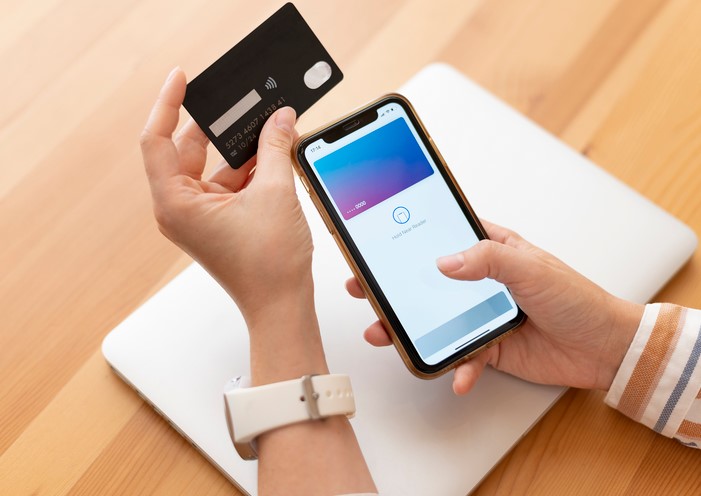
In today’s fast-paced world, smartphones have become an essential tool for almost every aspect of daily life. One of the most transformative applications of smartphone technology is the rise of smartphone payment apps. These apps have revolutionized the way people make transactions, providing a fast, convenient, and secure alternative to traditional payment methods. From grocery shopping to transferring money to a friend, smartphone payment apps are changing the way we handle financial transactions. This article explores how these apps are reshaping the financial landscape, the technologies behind them, and what the future holds for mobile payments.
The Rise of Smartphone Payment Apps
Smartphone payment apps have become a global phenomenon, rapidly gaining popularity due to their convenience and ease of use. These apps allow users to store their credit or debit card information securely on their mobile devices, enabling them to make payments with just a few taps. Some of the most popular payment apps, such as Apple Pay, Google Pay, and Samsung Pay, have already achieved significant adoption in many markets, while new players continue to enter the space.
Convenience and Accessibility
The primary advantage of smartphone payment apps is the convenience they offer. With just a smartphone and an internet connection, users can make payments from virtually anywhere. Whether they are purchasing products online, paying for services, or splitting a bill at a restaurant, these apps allow for quick transactions without the need to carry cash or physical cards. This is especially valuable in situations where contactless payments are preferred, such as during the COVID-19 pandemic, where hygiene and minimizing physical contact became a priority.
Smartphone payment apps also enhance accessibility for users who may not have access to traditional banking systems. In developing regions, mobile payment solutions have provided a means for individuals without bank accounts to engage in financial transactions. For instance, mobile money services like M-Pesa have revolutionized access to financial services in countries like Kenya, where many people rely on mobile phones for banking.
Security and Encryption Technologies
While the ease and convenience of smartphone payment apps are apparent, security is often a concern for users. Fortunately, the industry has made significant strides in ensuring that these transactions are safe and secure. Most smartphone payment apps use advanced encryption technologies to protect users’ financial data.
One of the key features of these apps is tokenization, a process that replaces sensitive financial information (like credit card numbers) with a unique token. This token is used during transactions instead of the actual card information, significantly reducing the risk of data breaches. Additionally, many payment apps offer multi-factor authentication (MFA), requiring users to verify their identity through biometric scans (such as fingerprints or facial recognition) or PIN codes before completing a transaction.
Another important aspect of security is fraud detection. Many apps use machine learning algorithms to analyze spending patterns and detect unusual activities that may indicate fraudulent transactions. If such activity is detected, the app can alert the user or block the transaction, adding an extra layer of protection.
The Impact of Smartphone Payment Apps on Consumer Behavior
Smartphone payment apps are not only changing how people pay, but they are also influencing consumer behavior in various ways. The shift towards mobile transactions has led to new trends in consumer expectations, retail strategies, and even the development of new business models.
Faster Checkout and Streamlined User Experience
Consumers today expect convenience, and smartphone payment apps deliver just that. With the ability to complete transactions in seconds, these apps offer a faster, more streamlined checkout process compared to traditional methods. For retailers, this means reduced wait times at checkout, which can improve customer satisfaction and encourage repeat business.
Moreover, the integration of smartphone payment apps with loyalty programs and discounts is another way they are shaping consumer behavior. Many apps allow users to store and access loyalty points, coupons, and special offers, making it easier for them to earn rewards or redeem discounts. This seamless integration of payment and loyalty features provides an added incentive for consumers to choose mobile payment options over traditional methods.
The Rise of Contactless and Peer-to-Peer Payments
The growing popularity of smartphone payment apps has also accelerated the adoption of contactless payments. Many retailers have installed point-of-sale (POS) systems that accept mobile wallet payments, allowing customers to pay by simply holding their smartphones near the terminal. This contactless method is not only faster but also more hygienic, reducing the need for physical interaction with payment terminals.
Peer-to-peer (P2P) payments are another major trend fueled by smartphone payment apps. Services like Venmo, PayPal, and Cash App allow users to send money instantly to friends and family, either for shared expenses or as a gift. These apps are becoming the preferred method of transferring money, particularly for younger generations who are more accustomed to digital payments.
The Impact on Small Businesses
Smartphone payment apps have also had a positive impact on small businesses. These apps make it easier for small retailers, freelancers, and service providers to accept payments without needing to invest in expensive point-of-sale equipment or maintain a physical store. In fact, many apps now offer small-business-specific features, such as invoicing tools, expense tracking, and the ability to set up online stores. This has opened up new revenue opportunities for entrepreneurs and helped them reach a wider customer base.
The Future of Smartphone Payment Apps
As smartphone payment apps continue to grow in popularity, they are poised to play an even larger role in the future of mobile transactions. Several trends and technologies are expected to shape the evolution of these apps in the coming years.
Integration with Emerging Technologies
One of the most exciting areas for the future of smartphone payment apps is their potential integration with emerging technologies such as blockchain and artificial intelligence (AI). Blockchain could provide an additional layer of security and transparency for transactions, particularly in cross-border payments, where fees and delays can be a significant issue. AI, on the other hand, could be used to enhance fraud detection, personalize user experiences, and automate financial management tasks.
The Role of 5G in Mobile Payments
The rollout of 5G networks is another factor that will significantly impact the future of smartphone payment apps. With faster data speeds and lower latency, 5G technology will enable more seamless and instantaneous transactions, particularly for high-value payments. As mobile networks continue to improve, smartphone payment apps will be able to handle larger volumes of transactions and offer even more real-time payment capabilities.
Widespread Adoption in Emerging Markets
While smartphone payment apps are already popular in many developed countries, their adoption in emerging markets is expected to accelerate in the coming years. As smartphones become more affordable and mobile internet access improves in developing regions, mobile payments will continue to expand. This could potentially lead to financial inclusion for millions of people who have previously been excluded from traditional banking systems.
Regulatory and Privacy Concerns
As smartphone payment apps become more integrated into daily life, regulatory and privacy concerns will continue to be a significant focus. Governments around the world will need to establish frameworks to protect users’ financial data and ensure that apps comply with local laws. Striking the right balance between innovation and regulation will be crucial in maintaining user trust and preventing potential misuse of personal information.
In conclusion, smartphone payment apps are revolutionizing the way we handle transactions by offering convenience, security, and speed. As these apps continue to evolve, we can expect further integration with emerging technologies, widespread adoption in emerging markets, and a greater emphasis on user privacy and data protection. The future of mobile payments is bright, and smartphone payment apps are at the forefront of this transformation, shaping the way we manage money and interact with the digital economy. With continued advancements, these apps will undoubtedly play an even more central role in the future of financial transactions.