
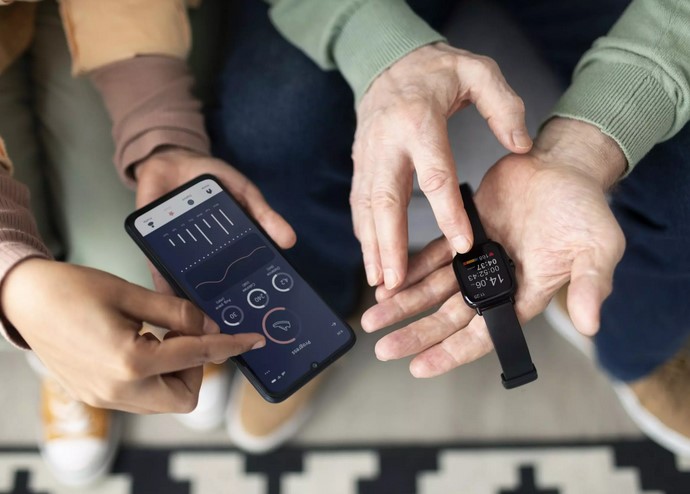
The rapid advancement of digital technology has reshaped how individuals monitor and manage their personal health, and smart health devices are now at the center of this transformation. From wearable trackers to connected home health tools, these innovations empower people to take a proactive role in their daily wellness rather than relying solely on periodic medical checkups. This article explores how modern health-tracking technologies are evolving, the practical value they bring to everyday life, and the role they will play in shaping preventive healthcare in the years ahead.
1. Evolution of Smart Health Devices in Daily Life
Health monitoring was once limited to hospitals, clinics, and specialized medical equipment operated by professionals. Today, advancements in sensors, connectivity, and data analytics have brought health tracking into homes, offices, and even outdoor environments. Devices such as fitness bands, smartwatches, digital blood pressure monitors, and connected scales have become widely accessible and user-friendly.
The evolution of these devices is closely tied to improvements in miniaturization and battery efficiency. Modern sensors can continuously measure metrics like heart rate, physical activity, sleep patterns, and oxygen saturation without disrupting daily routines. Wireless connectivity allows this data to sync instantly with smartphones or cloud platforms, creating a continuous health record that users can review at any time.
Another key factor driving adoption is integration with everyday technology ecosystems. Many health devices now seamlessly connect with mobile apps, virtual assistants, and wellness platforms. This integration enables users to receive personalized insights, reminders, and alerts that support healthier habits. As a result, health tracking has shifted from being reactive to preventive, focusing on early detection and lifestyle optimization rather than post-illness treatment.
2. Core Features and Wellness Benefits
The true value of modern wellness technology lies in how it translates raw data into meaningful insights. Smart health devices are no longer limited to counting steps or calories; they now offer comprehensive health awareness tailored to individual needs.
Personalized Data and Real-Time Feedback
One of the defining features of modern wellness tracking tools is personalization. By analyzing long-term data trends, devices can adapt recommendations based on age, activity level, sleep behavior, and overall health goals. Real-time feedback helps users understand how daily choices—such as exercise intensity, hydration, or stress levels—impact their overall well-being.
This personalized approach encourages consistency and accountability. When individuals see measurable progress or receive timely alerts about irregular patterns, they are more likely to adjust behaviors before minor issues escalate into serious concerns. This continuous feedback loop transforms health management into an ongoing, manageable process rather than an occasional task.
One Subheading: Preventive Care and Early Health Awareness
Preventive care is one of the most significant contributions of connected wellness technology. By monitoring vital indicators on a daily basis, devices can detect subtle changes that may signal underlying issues. Irregular heart rhythms, prolonged sleep disturbances, or unusual inactivity can prompt users to seek medical advice earlier than they otherwise would.
For individuals managing chronic conditions, these tools provide additional peace of mind. Consistent tracking allows users and healthcare professionals to observe patterns over time, enabling more informed decisions and personalized treatment plans. Even for healthy individuals, early awareness supports long-term wellness by reinforcing habits that reduce the risk of future health problems.
Beyond physical health, many devices are now addressing mental and emotional well-being. Stress tracking, guided breathing exercises, and mindfulness reminders are becoming standard features, reflecting a more holistic approach to health. This broader perspective recognizes that wellness extends beyond physical metrics to include emotional balance and mental clarity.
3. Future Outlook and Integration with Healthcare Systems
As technology continues to advance, smart health devices are expected to play an increasingly integrated role within formal healthcare systems. Rather than functioning as standalone tools, future devices will serve as extensions of medical care, supporting collaboration between individuals and healthcare providers.
One emerging trend is the integration of health data with electronic medical records, allowing clinicians to access real-world, continuous data rather than relying solely on in-clinic measurements. This shift can improve diagnostic accuracy and enable more personalized care strategies. With proper privacy safeguards, shared data has the potential to enhance population health insights and public health planning.
Artificial intelligence and advanced analytics will further elevate device capabilities. Predictive models can identify potential health risks before symptoms appear, while automated coaching systems can guide users toward healthier routines. These innovations will make wellness tracking more intuitive, adaptive, and impactful.
However, widespread adoption also brings challenges. Data privacy, accuracy, and accessibility must remain top priorities. Ensuring that devices provide reliable measurements and protect sensitive personal information is essential for maintaining user trust. Equally important is addressing the digital divide so that wellness technology is accessible across different age groups, income levels, and geographic regions.
In an era where preventive care and personal responsibility for health are increasingly emphasized, smart health devices are redefining how wellness is tracked and maintained in everyday life. By combining continuous monitoring, personalized insights, and seamless integration with digital ecosystems, these tools empower individuals to make informed decisions about their health on a daily basis. As technology evolves and becomes more closely aligned with healthcare systems, smart health devices will continue to shape a future where proactive wellness management is both accessible and sustainable for people around the world.