
The topic of quantum computer pricing often generates confusion, speculation, and unrealistic expectations, largely because quantum computing does not follow the traditional cost models of classical computers. Unlike consumer laptops or enterprise servers, quantum machines are complex scientific systems that combine advanced physics, specialized materials, and highly controlled environments. This article explores what actually determines the cost of quantum computers, why pricing is not straightforward, and how organizations should think about value rather than sticker price when evaluating quantum technology.
1. Why Quantum Computers Are Not Priced Like Traditional Systems
Quantum computers differ fundamentally from classical machines in both architecture and purpose. While a classical computer is built from standardized components such as processors, memory chips, and storage devices, a quantum computer is a highly specialized system designed to maintain fragile quantum states. This distinction has a profound impact on cost.
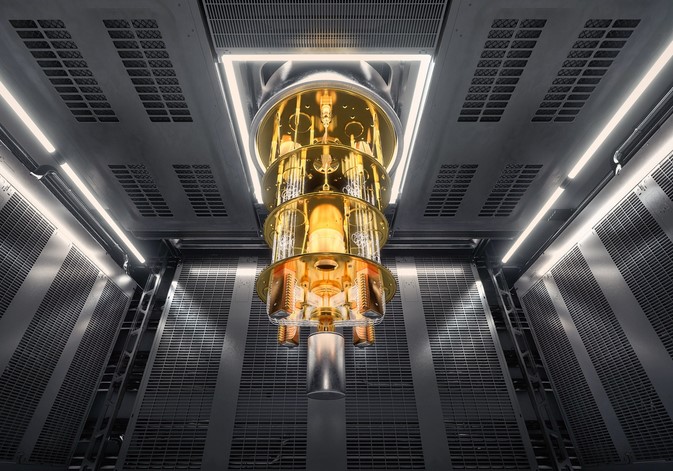
At the core of a quantum computer are qubits, which can be implemented using various physical methods such as superconducting circuits, trapped ions, or photons. Each approach requires unique manufacturing processes, materials, and operating conditions. For example, many systems must operate at temperatures near absolute zero, necessitating advanced cryogenic equipment that alone can cost millions of dollars.
Additionally, quantum computers are not mass-produced products. Most existing machines are custom-built for research institutions, government laboratories, or large technology companies. The absence of economies of scale significantly increases unit cost. Each system is often tailored to specific experimental or computational goals, further driving up development and integration expenses.
Another key factor is research and development investment. A significant portion of the cost associated with quantum machines reflects years of theoretical research, experimental testing, and engineering refinement. Organizations developing quantum systems must recover these investments, which influences how access and usage are priced.
2. Components That Drive the True Cost
Understanding what contributes to the overall expense of a quantum computer requires looking beyond the qubits themselves. The total cost is the sum of multiple interdependent systems working together in a highly controlled environment.
Hardware and Infrastructure
Quantum hardware includes far more than the quantum processor. Control electronics, signal generators, amplifiers, and shielding systems are essential for operating and stabilizing qubits. These components must meet extremely high precision standards, often exceeding those used in conventional electronics.
Infrastructure costs are equally significant. Many quantum systems require vibration-free environments, electromagnetic shielding, and specialized laboratory facilities. Power consumption, cooling systems, and ongoing maintenance add to long-term operational expenses. These requirements make it impractical for most organizations to host quantum machines on-site.
One Subheading: Software, Talent, and Operational Overhead
Beyond physical hardware, software development and human expertise represent a substantial portion of overall cost. Quantum software stacks include programming frameworks, compilers, error mitigation tools, and simulation environments. Developing and maintaining this software requires highly specialized teams with expertise in physics, mathematics, and computer science.
Talent acquisition is another major expense. Quantum engineers, researchers, and system operators are in short supply globally, commanding high salaries. Continuous training is also necessary, as the field evolves rapidly and best practices change frequently.
Operational overhead further increases cost. Quantum systems require constant calibration, monitoring, and experimentation to maintain performance. Downtime can be expensive, and achieving reliable results often involves repeated runs and extensive data analysis. These factors mean that ownership costs extend far beyond initial system construction.
3. Access Models and How Organizations Pay
Because of the immense cost and complexity of owning quantum hardware, most organizations do not purchase quantum computers outright. Instead, access-based models have become the dominant approach.
Cloud-based access allows users to run quantum workloads remotely through shared platforms. In this model, costs are typically based on usage metrics such as execution time, number of runs, or priority access levels. This approach dramatically lowers the barrier to entry and enables businesses, universities, and startups to experiment with quantum computing without massive capital investment.
Another emerging model is strategic partnership. Large enterprises may collaborate directly with quantum technology providers to gain dedicated access to systems tailored to specific research or industrial goals. While more expensive than general cloud access, this approach offers greater control and customization.
From a value perspective, organizations must evaluate cost in relation to potential impact. Quantum computing is not intended to replace classical systems but to solve specific problems that are otherwise infeasible. Pricing should therefore be assessed based on the potential to accelerate research, optimize complex processes, or unlock new capabilities rather than on direct cost comparison with classical hardware.
As the technology matures, costs are expected to evolve. Advances in manufacturing, standardization, and error reduction may reduce operational expenses over time. However, quantum computing is likely to remain a premium capability for the foreseeable future, reserved for high-value applications.
Understanding quantum computer pricing requires shifting perspective from traditional hardware costs to a broader view that includes infrastructure, expertise, and access models. Quantum computers are not consumer products; they are advanced scientific systems whose value lies in their ability to address problems beyond the reach of classical machines. As access becomes more widespread through cloud platforms and partnerships, organizations can engage with quantum technology in cost-effective ways while preparing for a future where quantum computing plays a strategic role in innovation and discovery.