
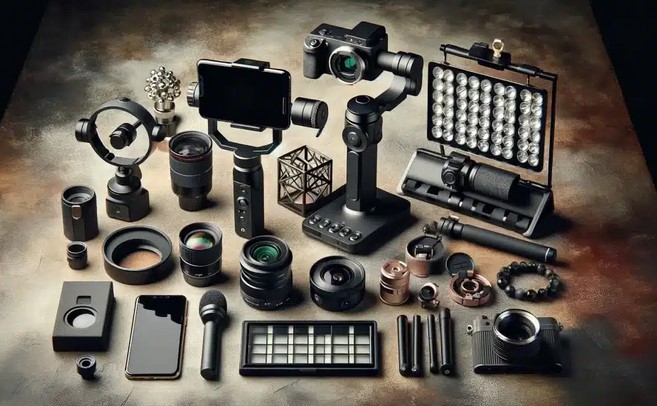
Smartphones have transformed photography into an everyday activity, enabling people to capture moments instantly with devices they always carry. However, as mobile cameras become more advanced, users increasingly seek ways to push beyond built-in limitations. This growing demand has led to the rise of mobile photography accessories, which help enhance image quality, expand creative control, and bring smartphone photography closer to professional standards. Understanding how these tools work and when to use them is essential for anyone aiming to improve their visual storytelling.
Enhancing Image Quality Through Practical Add-Ons
One of the primary reasons photographers turn to accessories is to overcome physical constraints of smartphone cameras. Due to their compact size, mobile devices often struggle with low-light conditions, stability, and optical flexibility. Accessories designed to address these issues can significantly elevate results without requiring a dedicated camera system.
Stabilization tools are among the most impactful additions. Handheld shooting often introduces motion blur, especially in dim environments or when recording video. External stabilizers and tripods help maintain consistent framing and sharpness. Even basic supports can make a noticeable difference in night photography, long exposures, or time-lapse projects.
Lighting solutions also play a crucial role. While smartphone flashes have improved, they still produce harsh and uneven illumination. Portable LED panels and clip-on lights provide adjustable brightness and color temperature, allowing photographers to shape light more naturally. These tools are particularly useful for portraits, product photography, and indoor shoots where ambient light is insufficient or unbalanced.
Optical enhancements further expand creative possibilities. Add-on lenses can introduce perspectives not available with standard phone cameras, such as ultra-wide views, macro detail, or compressed depth. When used correctly, these lenses allow users to experiment with composition and subject emphasis in ways that mirror traditional photography techniques.
Creative Control and Workflow Optimization
Beyond technical improvements, accessories contribute to greater creative control and a more efficient shooting process. As mobile photography becomes a serious pursuit for content creators, journalists, and marketers, workflow considerations are just as important as image quality.
Remote controls and wireless triggers enable hands-free shooting, reducing shake and allowing photographers to be part of the frame. This is especially valuable for self-portraits, group photos, or long-exposure shots. Paired with camera apps that offer manual controls, these tools help users fine-tune focus, exposure, and timing with precision.
Audio and video-related accessories also influence photographic outcomes, particularly for multimedia creators. While primarily associated with video, external microphones and mounts often integrate with photography rigs, supporting hybrid content creation. This convergence reflects how modern visual storytelling blends still images with motion and sound.
Integration with Professional and Social Platforms
An often-overlooked aspect of accessories is how they support post-production and distribution. Mounting systems and modular rigs allow smartphones to connect seamlessly with editing stations, external monitors, or even drones. This integration streamlines the transition from capture to editing and sharing.
For professionals managing tight deadlines, efficiency matters. Accessories that support quick setup, consistent framing, and repeatable results help maintain quality across multiple shoots. Social media creators also benefit from tools that ensure visual consistency, which is essential for branding and audience engagement.
Selecting Accessories Based on Purpose and Skill Level
Not every accessory suits every photographer. Choosing the right tools depends on shooting goals, experience level, and budget. Beginners often benefit most from simple stabilization and lighting solutions, which deliver immediate improvements without steep learning curves.
Intermediate users may focus on expanding creative range. Optical add-ons, advanced lighting kits, and modular mounting systems offer flexibility and experimentation. These tools encourage photographers to explore new styles, such as close-up detail work or dramatic perspective shifts.
Advanced users, including professionals and serious enthusiasts, typically prioritize reliability and compatibility. High-quality materials, precise optical alignment, and software integration become more important as expectations rise. Investing in fewer, well-designed accessories often yields better long-term results than accumulating many low-quality tools.
In conclusion, the thoughtful use of mobile photography accessories empowers smartphone users to overcome technical limitations, refine creative expression, and produce consistently better images. As mobile cameras continue to evolve, these tools remain essential companions, bridging the gap between convenience and professional-quality photography while supporting both personal creativity and professional demands.