AI for Marketing Automation: Smarter Campaigns, Better ROI

Source:https://static.wixstatic.com

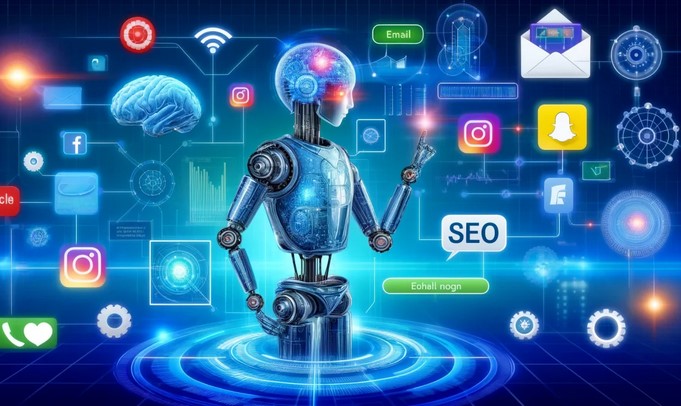
As the digital marketing landscape continues to evolve, businesses are increasingly turning to AI for marketing automation to streamline their processes and achieve more impactful results. AI-powered tools are revolutionizing the way marketers plan, execute, and measure campaigns, enabling them to deliver personalized experiences at scale and optimize every aspect of the customer journey. By incorporating AI into marketing automation, businesses are not only improving their operational efficiency but also enhancing customer engagement, reducing costs, and ultimately driving better ROI. This article explores how AI for marketing automation is reshaping the future of marketing, providing smarter campaign management, and yielding superior outcomes.

The Role of AI in Enhancing Marketing Automation

1. Automating Routine Tasks with Precision

AI for marketing automation is fundamentally designed to handle time-consuming and repetitive tasks, freeing up valuable time for marketing teams to focus on strategy and creativity. One of the key benefits of integrating AI into marketing automation platforms is its ability to automate processes like lead scoring, email segmentation, and content personalization. By automating these tasks, businesses can achieve higher efficiency while maintaining accuracy and consistency across their campaigns.

For instance, AI tools can analyze customer data in real-time, identifying patterns and behaviors that inform how leads should be segmented. This ensures that each customer receives content tailored to their specific needs and interests, creating a more personalized experience. Similarly, AI algorithms can predict the best time to send emails or push notifications, optimizing engagement rates. With AI handling these repetitive tasks, marketers are able to focus their efforts on higher-level activities that drive growth, such as creative campaign design and strategy refinement.

2. Personalizing the Customer Experience at Scale

Another significant advantage of leveraging AI for marketing automation is its ability to deliver highly personalized experiences to customers on a large scale. Personalized marketing has become a key differentiator in an increasingly competitive marketplace, as consumers expect brands to understand their preferences and needs. AI enables marketers to create and deliver hyper-targeted content to individual customers, enhancing engagement and improving conversion rates.

AI-powered tools can gather vast amounts of customer data from multiple sources, including browsing history, social media interactions, and previous purchase behavior. This data is then analyzed to create detailed customer profiles, allowing businesses to tailor their messaging and offers with precision. For example, if a customer frequently browses a specific category of products, AI can automatically recommend similar items or offer a discount on their next purchase, making the experience more relevant and engaging.

Additionally, AI allows for real-time personalization, meaning that the content and offers presented to customers can evolve based on their interactions with a brand over time. This ability to continuously refine and adjust marketing strategies helps brands stay ahead of consumer expectations and create lasting, meaningful relationships with their audience.

3. Optimizing Campaigns for Better ROI

One of the most compelling reasons businesses are embracing AI for marketing automation is its ability to optimize marketing campaigns in real-time, resulting in a higher return on investment (ROI). AI tools analyze data from various campaign touchpoints, providing marketers with actionable insights that can inform quick adjustments to improve performance. Whether it’s adjusting targeting parameters, tweaking ad copy, or reallocating budget to the highest-performing channels, AI ensures that every dollar spent contributes to a better outcome.

For example, AI-driven platforms can continuously monitor the performance of paid ads, automatically adjusting bidding strategies to ensure that the brand is reaching the right audience at the optimal cost. AI can also predict customer lifetime value (CLV), helping businesses allocate marketing resources to the most profitable segments. As a result, AI-powered marketing automation not only improves efficiency but also drives better, more measurable results across the entire marketing funnel.

4. Enhancing Data-Driven Decision Making

AI for marketing automation allows businesses to leverage data-driven decision-making, which is essential for refining and scaling campaigns. AI tools can sift through vast amounts of data in a fraction of the time it would take a human, identifying trends, correlations, and insights that may otherwise go unnoticed. These insights empower marketers to make informed decisions based on real-time data, rather than relying on assumptions or outdated metrics.

With AI, businesses can track and analyze a wider range of data points, from customer behavior to social media engagement and beyond. This data can be used to optimize content strategies, identify new customer segments, and predict future trends. By leveraging AI to inform their decisions, businesses are able to improve the accuracy and effectiveness of their marketing efforts, leading to better outcomes and an increased ROI.

Practical Examples of AI in Marketing Automation

1. Chatbots and Customer Service Automation

AI-powered chatbots are one of the most commonly used tools in marketing automation, particularly in customer service. These bots use natural language processing (NLP) to engage with customers in real-time, answering questions, resolving issues, and guiding users through the sales process. By automating customer interactions, brands can improve response times and provide a more personalized experience, all while reducing the strain on human customer service teams.

Chatbots can be integrated into websites, social media platforms, and messaging apps, making them available 24/7 to assist customers. Additionally, AI chatbots can be trained to learn from each interaction, improving their responses and becoming more efficient over time. This leads to a smoother customer journey, from initial inquiries to post-purchase support.

2. Predictive Analytics for Lead Scoring

Lead scoring is a critical component of marketing automation, as it helps businesses prioritize leads based on their likelihood to convert. AI enhances lead scoring by analyzing a wide array of factors, such as a lead’s behavior on your website, their interactions with your content, and their engagement with past marketing campaigns. By using predictive analytics, AI can assign a score to each lead that reflects their probability of becoming a paying customer.

This enables marketing teams to focus their efforts on the most promising leads, ensuring that resources are directed where they are most likely to yield results. By improving lead scoring accuracy, businesses can increase conversion rates and maximize their ROI.

The integration of AI for marketing automation is transforming the way businesses engage with their customers and optimize their marketing campaigns. By automating repetitive tasks, personalizing customer experiences, and providing real-time optimization and insights, AI enables businesses to achieve smarter, more effective campaigns with improved ROI. As AI technology continues to advance, marketers will have even more opportunities to leverage data and automation to drive superior results, making AI an indispensable tool for any modern marketing strategy. With its ability to enhance efficiency, reduce costs, and improve customer engagement, AI for marketing automation is undoubtedly shaping the future of marketing.

AI in Manufacturing Automation: Driving the Future of Industry

Source:https://www.azumuta.com

The rise of artificial intelligence (AI) has significantly reshaped various industries, and nowhere is its impact more transformative than in manufacturing. AI in manufacturing automation is revolutionizing the way factories operate, streamlining production processes, enhancing efficiency, and reducing human error. As industries strive for greater productivity and lower costs, AI-powered solutions have emerged as the driving force behind next-generation manufacturing. From predictive maintenance to automated quality control and optimized supply chains, AI is taking manufacturing to unprecedented levels of precision and innovation. In this article, we will explore how AI is driving the future of industry and its pivotal role in automating manufacturing processes.

1. The Role of AI in Manufacturing Automation

AI in manufacturing automation encompasses a wide range of technologies, from machine learning (ML) and robotics to computer vision and natural language processing (NLP). These technologies are integrated into production lines to make them smarter, more efficient, and more adaptable to changing demands. The key advantage of AI in manufacturing lies in its ability to analyze vast amounts of data in real time, enabling quicker decision-making and more accurate predictions.

a. Machine Learning and Predictive Maintenance

One of the most impactful applications of AI in manufacturing automation is predictive maintenance. Traditional maintenance systems rely on scheduled checks, which can result in unnecessary downtime or, conversely, fail to address issues until a machine breaks down. AI-driven predictive maintenance uses sensors and data analytics to monitor equipment in real-time and identify signs of wear or failure before they occur. By analyzing patterns in data, AI models can forecast when a machine will need maintenance, allowing manufacturers to schedule repairs only when necessary, minimizing downtime and extending the life of expensive equipment.

b. Robotic Process Automation (RPA)

Another significant advancement in manufacturing automation is the use of robotic process automation (RPA). Robots powered by AI can perform repetitive tasks that would otherwise require human intervention, such as assembling parts, packaging, and quality inspection. AI-equipped robots can adapt to changing workflows, handle multiple tasks simultaneously, and maintain high levels of precision, reducing human error and improving overall production efficiency. In addition, AI-driven robots can work in hazardous environments, reducing workplace injuries and ensuring worker safety.

2. Enhancing Efficiency and Quality Control with AI

AI’s role in manufacturing is not limited to automation alone; it also plays a crucial part in improving overall efficiency and product quality. By leveraging AI in manufacturing automation, companies can significantly reduce waste, optimize resources, and enhance quality control processes, ultimately leading to greater profitability and customer satisfaction.

a. Optimized Production Scheduling

AI systems can analyze historical production data, machine performance, and supply chain factors to optimize production schedules. This ensures that resources are used effectively, and production bottlenecks are minimized. AI-powered scheduling algorithms can dynamically adjust based on real-time factors, such as supply shortages or unexpected downtime, ensuring that production lines remain as efficient as possible. This level of optimization leads to reduced lead times, better inventory management, and ultimately more responsive manufacturing processes.

b. AI in Quality Control

Quality control is a critical aspect of any manufacturing process. Traditionally, it has been a manual task, often relying on human inspectors to identify defects and inconsistencies in the product. AI in manufacturing automation, particularly through the use of computer vision, allows for highly accurate and rapid quality control. AI-powered cameras and sensors can scan products at high speeds and with high precision to detect even the slightest deviations from quality standards. This allows manufacturers to catch defects early in the production process, ensuring that only top-quality products reach customers.

3. The Future of AI in Manufacturing Automation

As AI continues to evolve, its impact on manufacturing will only grow stronger. The future of AI in manufacturing automation holds the promise of even more advanced technologies, such as fully autonomous factories and highly customizable production lines, tailored to the unique needs of each customer.

a. Autonomous Factories and Smart Manufacturing

The concept of a fully autonomous factory, where AI manages every aspect of the manufacturing process from raw material procurement to final product delivery, is no longer a far-off dream. By integrating AI across all levels of production, including logistics, inventory management, and even design, manufacturers can create fully autonomous factories that require minimal human intervention. These smart factories will operate 24/7, continuously optimizing processes and responding to real-time changes in demand and supply.

AI-powered systems will also enable manufacturers to create highly flexible production lines capable of quickly adapting to the changing needs of customers. For example, AI can analyze customer preferences and market trends to adapt production runs, offering personalized products without the need for large-scale redesigns or retooling of machinery. This adaptability will lead to more efficient and cost-effective manufacturing, allowing companies to stay competitive in a rapidly changing marketplace.

b. AI-Driven Supply Chain Optimization

One of the most exciting prospects for AI in manufacturing is its role in optimizing the global supply chain. AI can predict demand fluctuations, analyze supplier performance, and forecast material shortages, allowing manufacturers to make informed decisions about sourcing and inventory. By integrating AI with blockchain and the Internet of Things (IoT), manufacturers can achieve end-to-end supply chain transparency, ensuring greater accuracy and reducing delays. This level of optimization will help manufacturers respond more quickly to market demands and streamline operations, further boosting profitability.

AI in manufacturing automation is rapidly transforming the industry by driving innovation, improving efficiency, and enhancing product quality. From predictive maintenance and robotic process automation to optimized production scheduling and advanced quality control, AI is enabling manufacturers to meet the demands of a fast-paced, competitive market. As AI continues to evolve, its role in shaping the future of manufacturing will only become more critical, paving the way for autonomous factories, personalized production, and highly efficient global supply chains. Manufacturers who embrace AI in manufacturing automation today will be well-positioned to lead in the industry tomorrow, gaining a competitive edge and delivering products that meet the highest standards of quality and efficiency.

Smartphone Camera Stabilizers for Perfect Shots Every Time

Source:https://i.pcmag.com

In today’s world, capturing high-quality videos and photos with a smartphone is easier than ever. However, one challenge that many users face is achieving smooth, steady footage while on the move. Shaky footage can ruin an otherwise perfect moment, leading to blurry or unprofessional-looking content. This is where smartphone camera stabilizers come into play. These devices are designed to eliminate unwanted motion and ensure that your shots are as smooth and professional as possible. Whether you’re a content creator, vlogger, or someone who enjoys capturing memories, smartphone camera stabilizers are essential tools for achieving cinematic-quality footage every time. In this article, we’ll explore the top reasons why smartphone camera stabilizers are a must-have accessory and how they can help you elevate your mobile photography and videography.

1. Understanding Smartphone Camera Stabilizers

Smartphone camera stabilizers, often referred to as gimbals, are devices that help reduce shaky movements when filming with your phone. By using a combination of motors, sensors, and advanced algorithms, these stabilizers can keep the camera steady and balanced even as you move. They are particularly useful when walking, running, or capturing action shots, where traditional handheld filming might result in jittery footage.

a. How They Work

At their core, smartphone camera stabilizers use a mechanism that adjusts the position of the phone in real time. Most stabilizers employ a three-axis gimbal system, which helps maintain balance on the X, Y, and Z axes. This system detects any movement and compensates for it by automatically adjusting the motors, keeping the camera steady. The result is a smooth, stable shot even in dynamic conditions, allowing creators to focus on framing their shots rather than worrying about shaky footage.

b. Types of Stabilizers

There are several types of stabilizers available for smartphones, each designed to cater to different filming styles and needs:

  • Handheld Gimbals: These are the most common type of stabilizer, often lightweight and portable. They are ideal for creators who need a compact solution for on-the-go filming.
  • Smartphone Tripods with Stabilization: Some stabilizers come integrated with a tripod, allowing you to set up steady shots while also providing stabilization during handheld use.
  • Wearable Stabilizers: These are designed for more dynamic shooting styles, where the stabilizer is attached to your body or another surface for smoother shots during movement, such as running or cycling.

2. The Benefits of Using Smartphone Camera Stabilizers

The advantages of incorporating a smartphone camera stabilizer into your filming routine are numerous. Whether you’re an aspiring filmmaker, a social media influencer, or just someone who wants to capture moments more effectively, a stabilizer can make a significant difference in your content quality.

a. Smoother, Professional-Looking Footage

The most obvious benefit of using smartphone camera stabilizers is the ability to capture smooth, professional-looking footage. Even small shakes, like those from walking or sudden movements, can cause noticeable distortion in video, but a stabilizer prevents that from happening. The result is buttery-smooth video that looks like it came from a high-end camera system. This is especially useful for filmmakers and vloggers who need to create content that meets industry standards.

b. Increased Creative Possibilities

With the added stability, smartphone camera stabilizers unlock new creative possibilities. For example, you can achieve cinematic effects like tracking shots, smooth pans, and tilts that would be difficult or impossible to do with just your hands. By having control over the camera’s movements, you can create more dynamic and visually engaging videos that tell a story or convey emotion more effectively.

c. Improved Focus on Composition

When you’re no longer concerned about the shakiness of your shots, you can focus more on composition, lighting, and framing. A stabilizer allows you to execute your vision with precision, without being distracted by technical issues like jittery footage. This can elevate the overall quality of your content and help you achieve the exact look and feel you desire.

3. How to Choose the Right Smartphone Camera Stabilizer

Choosing the right smartphone camera stabilizer depends on your specific needs and shooting style. With so many options available, it can be overwhelming to find the one that works best for you. Here are some factors to consider when making your decision:

a. Compatibility

Not all stabilizers are compatible with every smartphone. When selecting a stabilizer, it’s important to ensure that it can support your phone’s size and weight. Many stabilizers come with adjustable clamps or phone mounts to fit different devices, but you should always double-check the specifications before purchasing.

b. Battery Life

Battery life is another important consideration. Stabilizers typically use rechargeable batteries, and their runtime can vary depending on the model. Some stabilizers offer up to 12-16 hours of continuous use, while others may have a shorter runtime. If you plan to film for extended periods, choose a stabilizer with a longer battery life.

c. Ease of Use

While advanced features can enhance your footage, it’s also essential to choose a stabilizer that is easy to use. Some models feature intuitive controls with smartphone apps that allow you to control movement and settings directly from your phone. Others offer manual controls for more hands-on operation. Look for a stabilizer that matches your level of experience and comfort.

d. Portability

Portability is crucial for many smartphone videographers who need to travel light. If you plan on taking your stabilizer on trips or shooting in various locations, choose a model that’s lightweight and foldable for easy packing.

Smartphone camera stabilizers have revolutionized the way we capture photos and videos. Whether you’re shooting a vlog, a short film, or simply capturing memories, these stabilizers offer the perfect solution for eliminating shaky footage and ensuring professional-quality results. By understanding how smartphone camera stabilizers work and selecting the right one for your needs, you can unlock a world of creative possibilities and improve the overall quality of your content. With smoother footage, more control, and increased stability, you’ll be able to create stunning visuals and share them with confidence, knowing that every shot will be flawless. If you’re serious about mobile filmmaking, investing in a smartphone camera stabilizer is an essential step in taking your content to the next level.

Best Laptops for Business Professionals in 2026

Source:https://cdn.mos.cms.futurecdn.net

As the world continues to evolve at a rapid pace, business professionals are facing new demands in terms of performance, portability, and reliability when it comes to their laptops. In 2026, selecting the right laptop is more crucial than ever, especially when it comes to balancing work-related tasks, meeting deadlines, and staying productive on the go. Business laptops have become powerhouses, equipped with the latest technology, ensuring that professionals can handle even the most demanding tasks with ease. In this article, we will explore the best laptops for business in 2026, keeping in mind key aspects such as performance, design, battery life, and security features.

1. Performance: Power That Keeps You Going

Business professionals require laptops that offer high performance for multitasking, running resource-intensive software, and staying productive throughout the day. In 2026, laptops come equipped with the latest processors, enhanced RAM capacities, and solid-state drives (SSDs) that ensure quick loading times and seamless workflow.

a. Intel vs. AMD Processors

One of the most important aspects of performance is the processor. Intel’s 13th Gen Core i9 and the new AMD Ryzen 9 series processors are likely to dominate the market in 2026. These processors deliver high clock speeds, impressive core counts, and great thermal efficiency, which allows for extended hours of use without throttling. Business professionals working on data analysis, programming, or other high-performance tasks will benefit significantly from these processors.

b. Graphics and RAM

For professionals in fields such as design, video editing, or 3D modeling, a dedicated GPU will be a key requirement. Laptops in 2026 are equipped with powerful GPUs like the Nvidia GeForce RTX 4060 or the AMD Radeon RX 7000 series, offering the necessary graphics support. In terms of RAM, 16GB is the minimum, with 32GB or even 64GB being ideal for more demanding tasks.

2. Portability and Design: Functionality Meets Aesthetics

Business laptops are often on the move, whether you’re traveling for meetings, attending conferences, or working from a remote location. In 2026, sleek designs are not just about looks but also functionality. The lightweight, ultra-thin design of the modern business laptop makes it easy to carry around while still packing all the power you need.

a. Lightweight and Compact

The trend toward lightweight laptops is likely to continue in 2026. Most high-end business laptops will weigh around 2.5 pounds or less. This ensures that professionals can easily slip their laptops into briefcases, backpacks, or even carry them under their arms. However, don’t let the lightweight design fool you. These laptops will still have enough power to handle all kinds of business needs.

b. Premium Build Quality

In terms of design, business laptops are expected to have premium materials such as aluminum or magnesium alloy. These materials not only provide a sophisticated aesthetic but also add to the laptop’s durability. Scratch-resistant and robust, these devices will survive long hours of use and travel without showing signs of wear and tear.

3. Security and Battery Life: Essential Features for Professionals

In the digital age, security is of utmost importance. With sensitive data being handled on a daily basis, business laptops in 2026 will feature state-of-the-art security features that ensure information is safe. Additionally, long-lasting battery life will be a top priority for professionals who work remotely or travel often.

a. Advanced Security Features

By 2026, laptops will likely come equipped with advanced biometric authentication systems, such as facial recognition, fingerprint scanners, and even retinal scanning for enhanced security. These technologies will ensure that only authorized users can access critical files and systems, making business laptops more secure than ever before.

b. Long Battery Life for Non-Stop Productivity

Battery life remains one of the most important factors for business professionals. Modern business laptops are expected to feature batteries that can last up to 12 to 16 hours on a single charge. This is crucial for professionals who need to work during long flights, at conferences, or in remote locations where charging outlets may be scarce.

As we look forward to 2026, the best laptops for business will continue to offer a perfect balance of performance, portability, design, and security. Choosing the right laptop is essential for professionals who need a device that can handle demanding workloads, long hours, and frequent travel. With advanced processors, lightweight designs, and robust security features, the laptops of 2026 will empower business professionals to stay productive and efficient in an ever-changing business environment. When it comes to choosing the best laptops for business, make sure you prioritize the features that matter most for your specific needs to ensure you remain ahead of the competition.

Connected Wearable Patches: The Next Step in Health Tech

Source:https://cdn.prod.website-files.com

The healthcare industry has been undergoing a significant transformation in recent years, driven largely by advancements in technology. One of the most exciting innovations in this space is the rise of connected wearable patches. These small, lightweight devices offer a cutting-edge solution for real-time health monitoring and data collection. Unlike traditional wearables, such as fitness trackers or smartwatches, connected wearable patches are designed to be discreet and comfortable, providing users with continuous health data without the need for bulky or obtrusive devices. From chronic disease management to preventive care, connected wearable patches are poised to become an integral part of modern health technology. This article will explore the benefits, applications, and potential of these devices, as well as how they are shaping the future of personalized healthcare.

The Evolution of Wearable Health Technology

Wearable health devices have been around for over a decade, with fitness trackers, smartwatches, and heart rate monitors becoming household staples for those looking to monitor their health. However, despite their popularity, many of these devices have limitations when it comes to continuous health monitoring, data accuracy, and user comfort.

Enter connected wearable patches—innovative solutions that promise to fill these gaps. These patches are designed to be worn directly on the skin, typically for extended periods, providing real-time insights into a person’s health. Connected wearable patches are able to collect a broad range of data, from heart rate and blood oxygen levels to skin temperature and hydration status. What sets them apart from traditional wearables is their ability to seamlessly integrate with other digital health tools and cloud-based systems, enabling healthcare providers and users to access critical information in real time.

With the increasing demand for personalized health monitoring, particularly among individuals with chronic conditions, the advent of connected wearable patches represents a leap forward in providing more precise, continuous, and tailored healthcare solutions. These patches leverage sensors, Bluetooth connectivity, and advanced algorithms to deliver accurate data that can be used for everything from managing long-term conditions to promoting general wellness.

Applications of Connected Wearable Patches

The potential applications of connected wearable patches are vast, spanning across various fields of healthcare, fitness, and wellness. These patches are designed to collect data over extended periods, offering a level of monitoring that is simply not possible with traditional wearable devices. Here are some of the primary uses for these groundbreaking devices:

1. Chronic Disease Management

One of the most promising uses for connected wearable patches is in the management of chronic diseases. For individuals suffering from conditions such as diabetes, hypertension, asthma, or cardiovascular disease, continuous monitoring of vital signs is essential. Traditional methods often require periodic visits to the doctor or hospital for tests and check-ups. Connected wearable patches, however, allow for round-the-clock monitoring, enabling patients and healthcare providers to make timely decisions based on real-time data.

For example, connected patches can monitor blood glucose levels in diabetic patients or track heart rate and blood pressure in individuals with hypertension. This continuous stream of data can alert both patients and doctors to potential issues before they become critical, allowing for early intervention and better disease management.

2. Preventive Health and Wellness

Connected wearable patches are not just for patients with chronic conditions—they can also play a key role in preventive healthcare. For healthy individuals, these patches can track various metrics such as activity levels, sleep patterns, hydration, and even stress levels. This constant stream of data can help users identify patterns and behaviors that may be affecting their overall well-being.

For instance, connected patches can monitor skin temperature and hydration levels, alerting users to potential dehydration or heat-related issues before they lead to more serious health problems. This makes them an excellent tool for athletes, fitness enthusiasts, or anyone interested in maintaining optimal health. By receiving feedback in real-time, users can make proactive changes to their daily habits, improving their quality of life.

3. Post-Surgery and Recovery Monitoring

Another area where connected wearable patches are showing great promise is in post-surgery recovery. After undergoing surgery, patients need to be carefully monitored to ensure proper healing and to detect complications early. In many cases, this monitoring requires frequent visits to the hospital or clinic, which can be both inconvenient and costly.

Connected wearable patches simplify this process by providing continuous, real-time data that can be shared with healthcare providers. For example, a patch could monitor a patient’s heart rate, oxygen levels, and body temperature after surgery, providing instant feedback on their recovery process. This reduces the need for in-person visits and ensures that any potential issues are flagged early, making the recovery process smoother and less stressful for both patients and doctors.

4. Elderly Care and Monitoring

As the global population ages, the need for effective elderly care solutions continues to grow. Connected wearable patches are being used to monitor the health of older adults, providing both patients and caregivers with important insights into their well-being. These patches can track a range of vital signs, such as heart rate, blood pressure, and respiratory function, and provide alerts if anything goes out of range.

For elderly individuals living independently, connected wearable patches offer an added layer of safety. In case of a fall or sudden health issue, the patch can automatically alert caregivers or emergency services, ensuring a prompt response. This level of monitoring is crucial for elderly people with conditions such as dementia or those at risk of falls, providing peace of mind for both them and their families.

Advantages of Connected Wearable Patches

The rise of connected wearable patches is revolutionizing the healthcare industry in several important ways. Below are some of the key advantages these devices offer over traditional health monitoring methods:

1. Continuous and Real-Time Data

Unlike traditional devices that only collect data intermittently, connected wearable patches provide continuous monitoring. This ensures that healthcare providers and users have access to real-time data at all times, which is crucial for making informed decisions about health management.

2. Discreet and Comfortable

One of the most significant advantages of connected wearable patches is their discreet and comfortable design. Unlike bulky smartwatches or fitness trackers, these patches can be worn on the skin, often without anyone noticing. This makes them ideal for long-term use, as users can wear them without experiencing discomfort or drawing attention.

3. Better Health Insights and Personalization

The data collected by connected wearable patches can be analyzed using advanced algorithms, providing highly personalized health insights. These insights can help users understand how their lifestyle choices, environment, or medical conditions are impacting their health, allowing them to make better-informed decisions about their well-being.

4. Reduced Healthcare Costs

By enabling continuous monitoring, connected wearable patches can help reduce healthcare costs by preventing unnecessary hospital visits and enabling early intervention. This can lead to better outcomes for patients and reduce the strain on healthcare systems, ultimately leading to cost savings for both individuals and providers.

In conclusion, connected wearable patches are poised to transform the landscape of healthcare and wellness. From chronic disease management to preventive care and post-surgery monitoring, these devices offer real-time insights and continuous tracking, enabling better-informed decisions and improving overall patient outcomes. The discreet, comfortable design of connected wearable patches makes them an ideal option for long-term monitoring, whether for medical use or general wellness. As technology continues to evolve, we can expect these patches to become even more advanced, providing users with even greater control over their health and well-being. As we move forward, connected wearable patches will undoubtedly play a central role in the next generation of health tech, paving the way for more personalized, efficient, and accessible healthcare solutions.

Categories IoT