
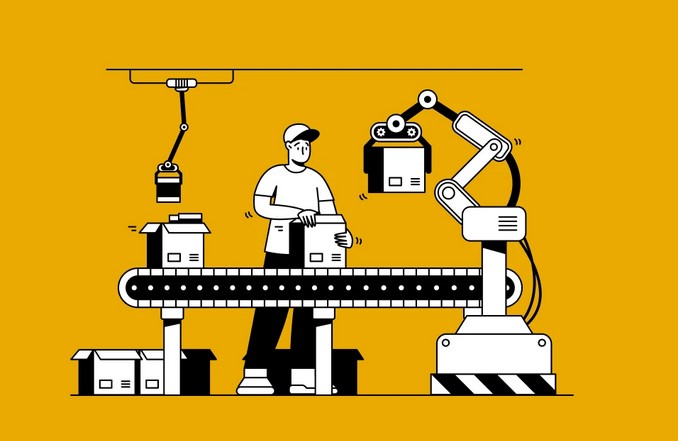
In recent years, computer vision applications have rapidly evolved from cutting-edge research projects into integral components of various industries. By leveraging artificial intelligence (AI) and machine learning, computer vision technology enables machines to interpret and understand visual data, mimicking the human ability to perceive the world through sight. From healthcare and retail to automotive and agriculture, these applications are transforming everyday industries, driving innovation, and enhancing efficiency. This article explores how computer vision is revolutionizing different sectors, its real-world applications, and the future possibilities of this technology.
The Power of Computer Vision in Modern Industries
Computer vision refers to the field of AI that enables computers to process and interpret visual information from the world, typically through images or videos. By using algorithms and deep learning techniques, computer vision systems can identify objects, recognize patterns, track movement, and make decisions based on visual inputs. These capabilities are being harnessed across various industries to streamline operations, improve safety, and create new user experiences.
Healthcare: Revolutionizing Diagnostics and Patient Care
One of the most impactful areas where computer vision applications are making a significant difference is in healthcare. Medical imaging technologies such as X-rays, MRIs, and CT scans have long been essential tools for diagnosing diseases, but the process of analyzing these images has traditionally been time-consuming and dependent on the skill of the radiologist. Computer vision, however, has transformed this process by introducing AI-driven diagnostic tools that can rapidly analyze medical images with high accuracy.
AI-based computer vision systems are now capable of detecting abnormalities such as tumors, fractures, and early signs of conditions like diabetes retinopathy and Alzheimer’s disease. For example, computer vision models trained on vast datasets of medical images can detect tumors in radiographs with accuracy comparable to or even exceeding human radiologists. This improves early detection and diagnosis, leading to better patient outcomes.
Moreover, computer vision is also playing a role in patient monitoring. In hospitals, computer vision systems can track patient movements and vital signs, enabling more efficient and continuous monitoring without the need for constant human oversight. This technology has the potential to reduce medical errors and help medical professionals make more informed decisions.
Retail and E-commerce: Enhancing Customer Experiences
The retail industry is another sector undergoing a transformation due to computer vision. In both brick-and-mortar stores and online platforms, computer vision is being used to enhance customer experiences, improve inventory management, and optimize the shopping process.
In-Store Customer Experience
Many retailers are incorporating computer vision into their stores through technologies such as smart shelves and checkout-free systems. For instance, Amazon Go stores use computer vision applications to monitor customers as they pick items from the shelves. The system automatically tracks the products placed in the cart and charges the customer’s account when they leave the store, eliminating the need for traditional checkout lines.
Another notable application is the use of computer vision for virtual fitting rooms. Customers can use smartphones or in-store kiosks equipped with computer vision technology to try on clothes virtually. By analyzing their body size and shape, the system can display how different garments would look on the customer, offering a more personalized and convenient shopping experience.
Inventory Management and Demand Forecasting
Computer vision is also transforming how retailers manage their inventory. Using smart cameras and vision-based sensors, stores can monitor stock levels in real-time, reducing the risk of out-of-stock items or overstocking. This allows businesses to make more accurate demand forecasts and ensure that they maintain optimal inventory levels.
Automotive: Driving the Future of Transportation
The automotive industry has been one of the early adopters of computer vision, particularly in the development of autonomous vehicles. Self-driving cars rely heavily on computer vision applications to perceive and understand their surroundings, making it possible for the car to navigate complex environments with minimal human intervention.
Autonomous Vehicles
Autonomous vehicles use a combination of cameras, LiDAR (Light Detection and Ranging), and radar sensors to perceive the environment. These systems rely on computer vision algorithms to detect pedestrians, other vehicles, traffic signs, lane markings, and obstacles, allowing the car to make decisions and navigate safely. In addition to improving safety, autonomous driving technology promises to reduce traffic congestion, improve fuel efficiency, and revolutionize transportation as a whole.
Advanced Driver Assistance Systems (ADAS)
Even in vehicles that are not fully autonomous, computer vision plays a critical role in enhancing driver safety. Advanced Driver Assistance Systems (ADAS) are designed to assist drivers by providing features such as lane-keeping assistance, adaptive cruise control, automatic braking, and collision detection. These systems use computer vision applications to analyze live video feeds from cameras placed around the vehicle to detect hazards and alert the driver to potential dangers.
Agriculture: Improving Crop Yield and Sustainability
Agriculture is another industry that is increasingly benefiting from computer vision applications. By combining satellite imagery, drones, and AI-driven image analysis, computer vision is helping farmers monitor crop health, manage resources, and improve yields.
Precision Farming
Precision farming is an approach that uses advanced technologies, including computer vision, to optimize farming practices and reduce waste. Drones equipped with cameras can capture high-resolution images of fields, which are then analyzed using computer vision algorithms to detect signs of disease, pest infestations, or nutrient deficiencies. This data allows farmers to take targeted actions, such as applying pesticides or fertilizers only where needed, reducing costs and minimizing the environmental impact of farming.
Harvesting and Quality Control
In addition to monitoring crop health, computer vision is being used for automated harvesting. Robots equipped with computer vision systems can identify ripe fruits and vegetables and carefully harvest them, reducing the need for manual labor. Furthermore, computer vision is being used in quality control to ensure that crops meet industry standards before they are sent to market.
The Future of Computer Vision: Expanding Possibilities Across Industries
As the capabilities of computer vision applications continue to improve, their impact across industries will only grow. The integration of 5G technology, enhanced machine learning algorithms, and improved sensor technologies will enable even greater levels of accuracy, speed, and scalability.
In the future, computer vision is expected to play an even more pivotal role in sectors such as healthcare, manufacturing, logistics, and security. For example, computer vision could revolutionize supply chain management by enabling real-time tracking of goods, improving warehouse automation, and increasing operational efficiency. In the field of security, computer vision systems could provide advanced surveillance capabilities, allowing for quicker detection of potential threats and more accurate identification of individuals through facial recognition technologies.
Furthermore, as AI and computer vision become more integrated with the Internet of Things (IoT), connected devices will be able to communicate and make decisions based on visual data, leading to smarter and more autonomous systems. For example, smart homes could use computer vision to identify individuals and automatically adjust settings such as lighting and temperature based on user preferences.
In conclusion, computer vision applications are having a profound and transformative impact on a wide range of industries. From enhancing patient care in healthcare to revolutionizing shopping experiences in retail, and from driving advancements in autonomous vehicles to optimizing farming practices, computer vision is unlocking new possibilities that were once the realm of science fiction. As technology continues to evolve, the potential applications of computer vision will expand, bringing even greater efficiencies, safety, and innovation to industries around the world. The future of computer vision is bright, and its ability to change the way we live and work is just beginning to be realized.